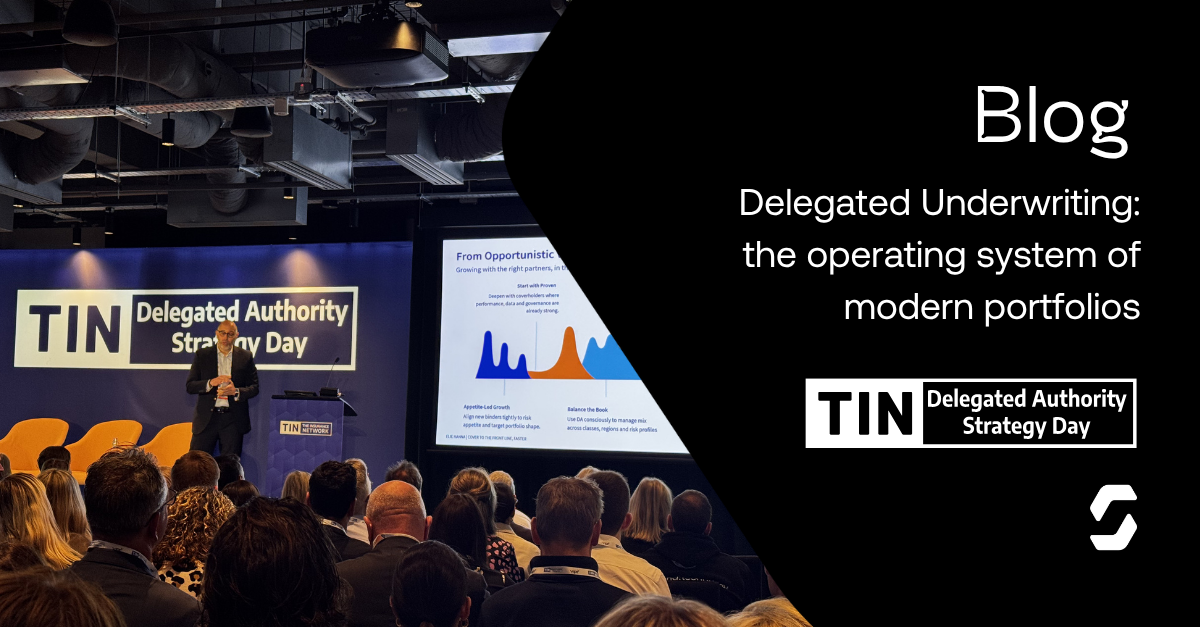
Delegated Underwriting: the operating system of modern portfolios
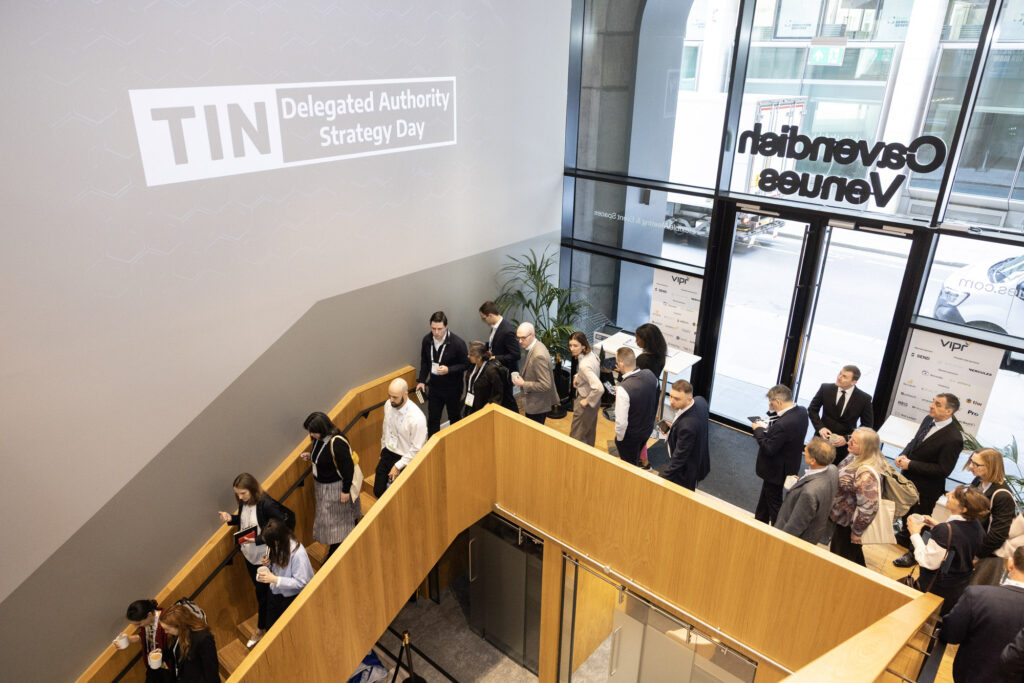
On 23 April, the Insurance Network brought together syndicates, MGAs, Coverholders, and brokers at The Minster Building in London for its annual Delegated Authority Strategy Day. A full room, high energy, and a clear appetite to learn – a day of genuinely engaging with where delegated authority goes next.
Send was proud to sponsor the opening keynote.
Will Harnett, Head of Product Strategy at Send, opened with the challenge: breaking down silos with an integrated ecosystem and orchestration platform is where the real leverage lies.
The keynote that followed was delivered by Elie Hanna, Chief Distribution Officer for UK and Lloyd's at AXA XL. Here are the key themes.
The risk landscape is shifting, and Delegated Underwriting is at the centre of it
Clients are operating in a more volatile world – geopolitics, climate, supply chains, new forms of liability – and what they need from the market has shifted with it. Not just capacity, but how their risks are being underwritten.
Delegated authority matters right now precisely because it sits closest to the client, closest to the risk, and closest to the decision that matters most.
Long seen as a niche channel – delegated was seen as a useful way to access business and reach segments efficiently. That has changed. Delegated is now the market engine – a primary growth driver for the market, and increasingly where innovation happens. It already accounts for more than 40% of Lloyd's business, and by 2030 is expected to overtake the open market and become the larger share.
"It's becoming the operating system of modern portfolios."
Once delegated makes up a larger share of your portfolio, it stops being a channel and becomes part of your strategy. The conversation is no longer "how do we do more delegated authority?" but "how do we do the right delegated authority?"
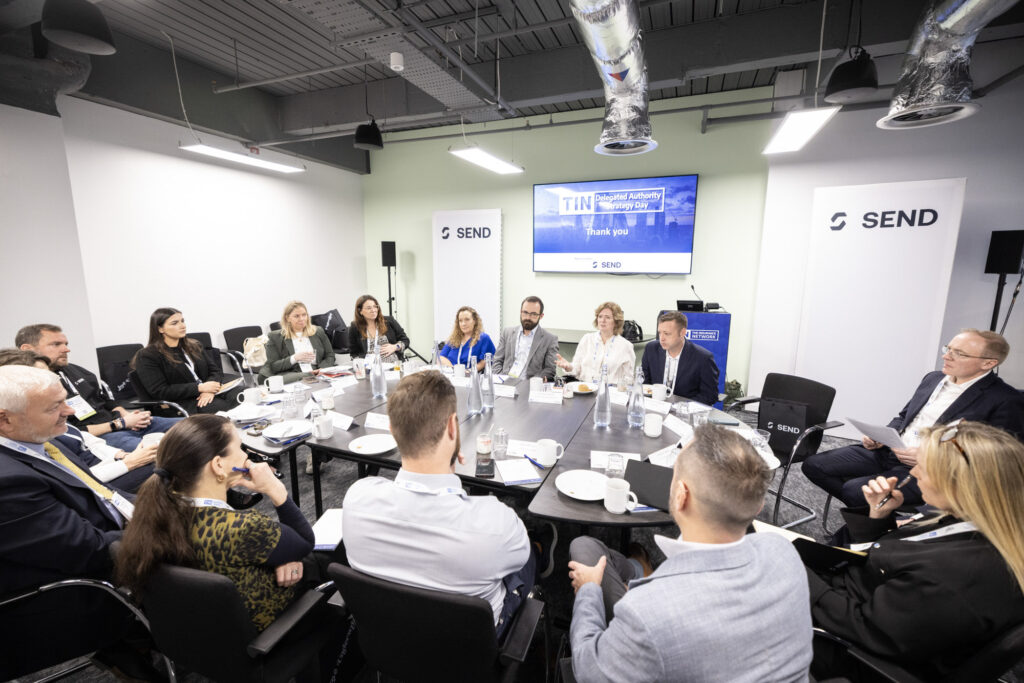
Four areas separating the best from the rest
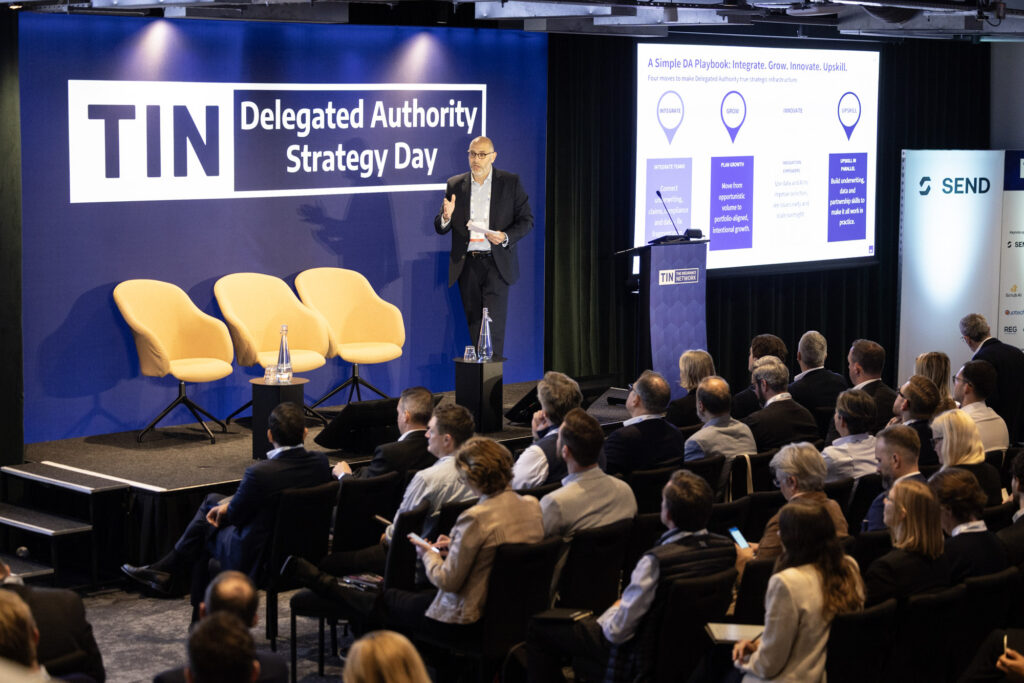
Elie walked through four areas that, in his view, are separating the strongest performers from the rest. Not a theoretical framework, but what he is seeing play out in the market.
- Integration: The best performers run delegated authority as one connected system. Breaking down silos across underwriting, operations, claims, and finance has to come before connecting to the wider market.
- Intentional growth: Delegated has been opportunistic in the past – if a binder came along, teams wrote it. That worked in a hard market, but not anymore. The shift is towards portfolio-aligned growth. Not more binders, but the right binders.
- Data and AI: Delegated authority is complex and multi-layered, and data controls everything that runs through it. The point Elie made was less about better dashboards or reports, and more about better underwriting decisions – issues identified before they become problems. Elie spoke about placing expertise at the edge, control at the core. Fast decisions close to the client; real-time visibility and early intervention behind them.
"Speed at the edge does not mean loss of control if the core is strong."
- People and partnerships: None of the above works without people – and Elie was emphatic on this. It's also not just about technology connections; it's about partner connections. The relationships built across Coverholders, MGAs, and brokers matter as much as the systems connecting them. Underwriting judgement remains essential, but data fluency and the ability to sustain real partnerships are increasingly what separate the strongest delegated practitioners from the rest.
What sets the leaders apart isn't strength in any single pillar, but the ability to coordinate all of them together. The next phase of the market won't reward carriers simply for having access to delegated authority, but those who execute on it well.
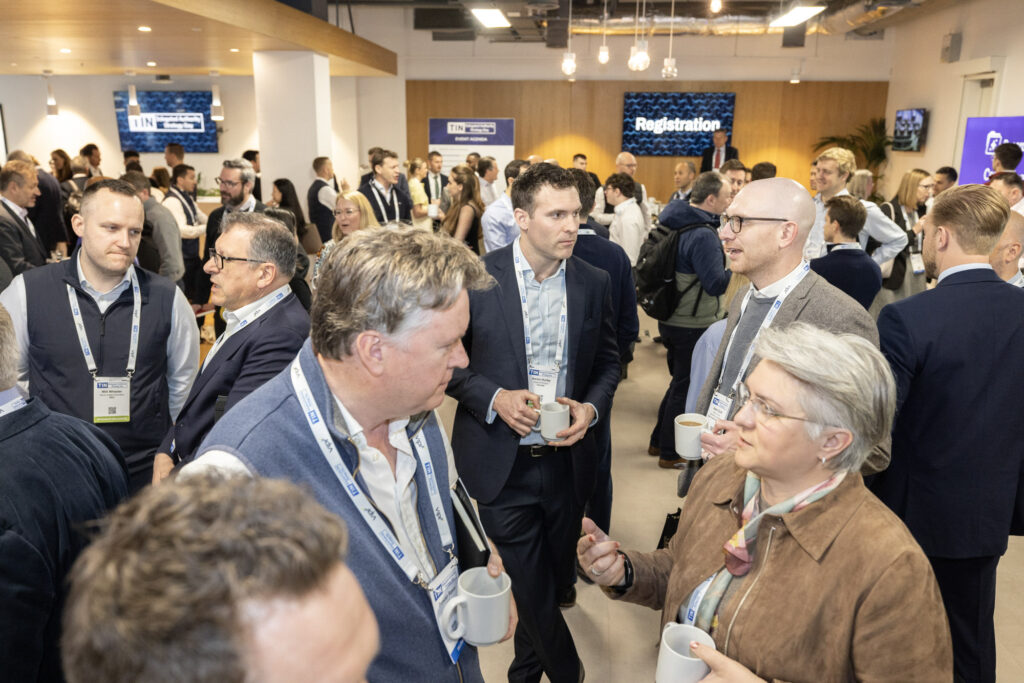
What we heard from delegates
The pre-event survey of attendees pointed to the same picture from a different angle, with five priorities running through the responses.
- Data quality and the shift from bordereaux to richer data sets still set the pace – "data quality and consistency are the biggest barriers to transforming DA operations." The language is shifting too: from 'bordereaux' to 'data sets' — a signal that the market is ready to move beyond legacy formats.
- AI is moving from curiosity to practical use, with respondents asking for proven case studies, not theory: "identify real operational challenges that Agentic AI can solve."
- Operating-model change has to be tied to underwriting outcomes, not isolated process fixes – "linking operational transformation to underwriting profits."
- Governance needs to be proportionate, not gold-plated: how to define "Minimum Effective Oversight" without slowing the business down.
- Delivery still depends on people – sponsorship, skills, and shifting the perception that "DA is still being seen as a cost not a benefit."
One of the sharpest observations from the floor: budget for change is hardest to secure in a soft market – but the soft market is precisely when the work needs to happen. The carriers who come out strongest from the next hard market will be those who made incremental investments when others didn't.
What this means for your delegated strategy?
Delegated authority at scale only works as a connected system – an integrated model where data flows, decisions are visible, and oversight is built in from the start.
The themes from the day – integration, intentional growth, data fluency, and genuine partnership – aren't new ideas. What's new is the urgency.
If you're working through any of them, we'd welcome the conversation.
Click here to read our guide about how to grow your delegated underwriting business.
- Insights
- Trends
- Delegated Underwriting Authority
Related Resources



Underwriting Resources
Underwriting Maturity Framework: Moving from a process-driven to a data-driven operating model
Grow your delegated underwriting