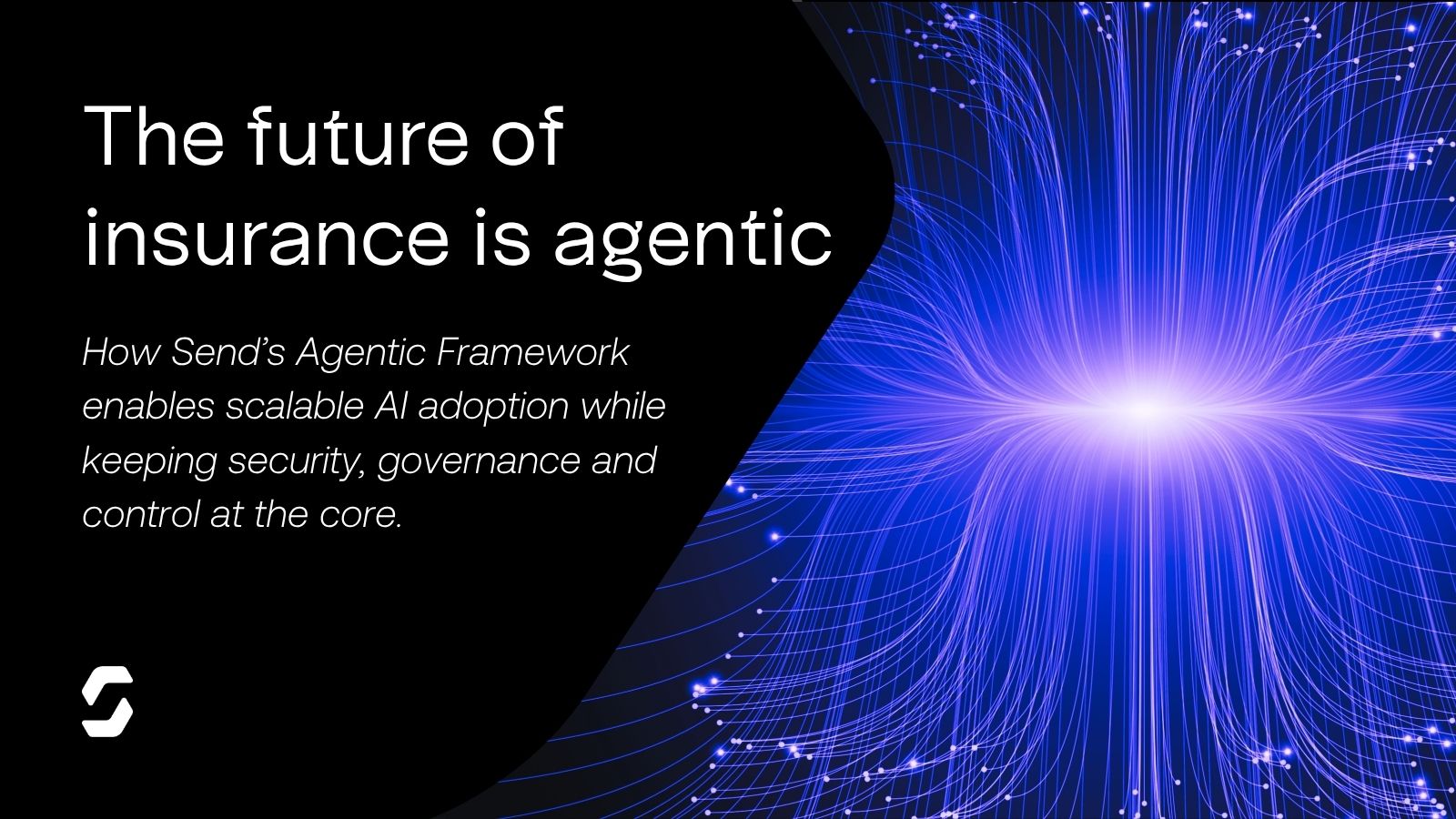
AI in underwriting needs an agentic framework
Every insurer is talking about AI. Far fewer have worked out how to make it genuinely useful, safe, and scalable in the day-to-day reality of underwriting. Many initiatives still sit at the pilot stage, proving value in small, specific use cases but struggling to become part of the operating model. Traditional automation and standalone AI tools can solve individual problems but, when they operate in isolation, they often create disconnected systems that are difficult to scale, govern, and integrate. Instead of reducing complexity, they risk adding another layer to an already fragmented technology landscape.
That matters because the bar for AI in insurance is rising quickly. As adoption accelerates and regulatory expectations continue to evolve, insurers need more than impressive demonstrations or isolated productivity gains. They need a strategic approach that embeds AI into core underwriting workflows while ensuring every decision remains auditable, transparent, and compliant.
Deploying AI at scale means connecting models, data, workflows, and governance so the technology can deliver consistent value across the whole business.
What are agentic frameworks?
Agentic AI frameworks are emerging as a new way to think about enterprise AI. Rather than deploying separate tools for separate tasks, they provide a governed orchestration layer where AI agents can collaborate, connect with AI models, draw on trusted data, and operate within business workflows.
A simple AI application or chat interface can respond to a prompt. An agentic framework is designed to support AI agents that work towards clear objectives, access approved information, coordinate across systems, and execute tasks inside defined boundaries. This means that AI is less of a point solution and more of a connected capability that can be sustained and advanced over time. AI stops being a point solution and becomes infrastructure you can build on.
For insurers, this marks a shift away from scattered AI use cases in underwriting, claims, or policy administration, and towards a more integrated AI operating model. Agentic frameworks provide the foundation for bringing these capabilities together in a scalable and controlled way, without forcing teams to rebuild processes from scratch.
The Send Agentic Framework
The Send Agentic Framework is built to help insurers apply AI safely and effectively across the underwriting process. It automates routine work, brings relevant information together, and surfaces insights that help underwriters make faster, more informed decisions.
The framework works with any leading AI model, so insurers are not locked into a single provider and can continue to adopt new technology as the market develops. Just as importantly, data remains within the insurer's own environment, so ownership and control stay with the insurer.
Insurers can also choose how they want to adopt AI. They can use ready-made AI agents, work with specialist partner-built solutions, or develop their own custom agents, all on the same secure and governed infrastructure. That gives businesses room to move at the pace that suits them, without the cost of building and maintaining AI capabilities.
By connecting AI, data, and underwriting workflows in one governed platform, the Send Agentic Framework gives insurers a practical route to deploying AI at scale. It supports greater efficiency and better oversight while keeping underwriters in control of final decisions.
The benefits of an agentic approach
Eliminate some of the manual work
The value of an agentic approach is that it moves AI closer to the work itself. In underwriting, this means supporting tasks such as data gathering, document processing, submission triage, and pulling third-party data into the risk view. This allows underwriters to focus on where human judgement matters most: assessing risk, making coverage decisions, and building broker relationships.
Produce more efficient underwriting
For insurers, the benefits are practical: faster turnaround times, more consistent processes, and stronger governance.
The advantage won’t go to insurers with the most AI tools, but to those with the foundation to keep adopting new ones.
Ready to learn more about agentic frameworks in underwriting?
Read the Send Agentic Framework Guide to discover how a structured, agentic approach can help your business unlock the full potential of AI in underwriting while maintaining strong governance, security, and control.
- Insights
- AI
Related Resources
Underwriting Resources
Underwriting Maturity Framework: Moving from a process-driven to a data-driven operating model
Grow your delegated underwriting